



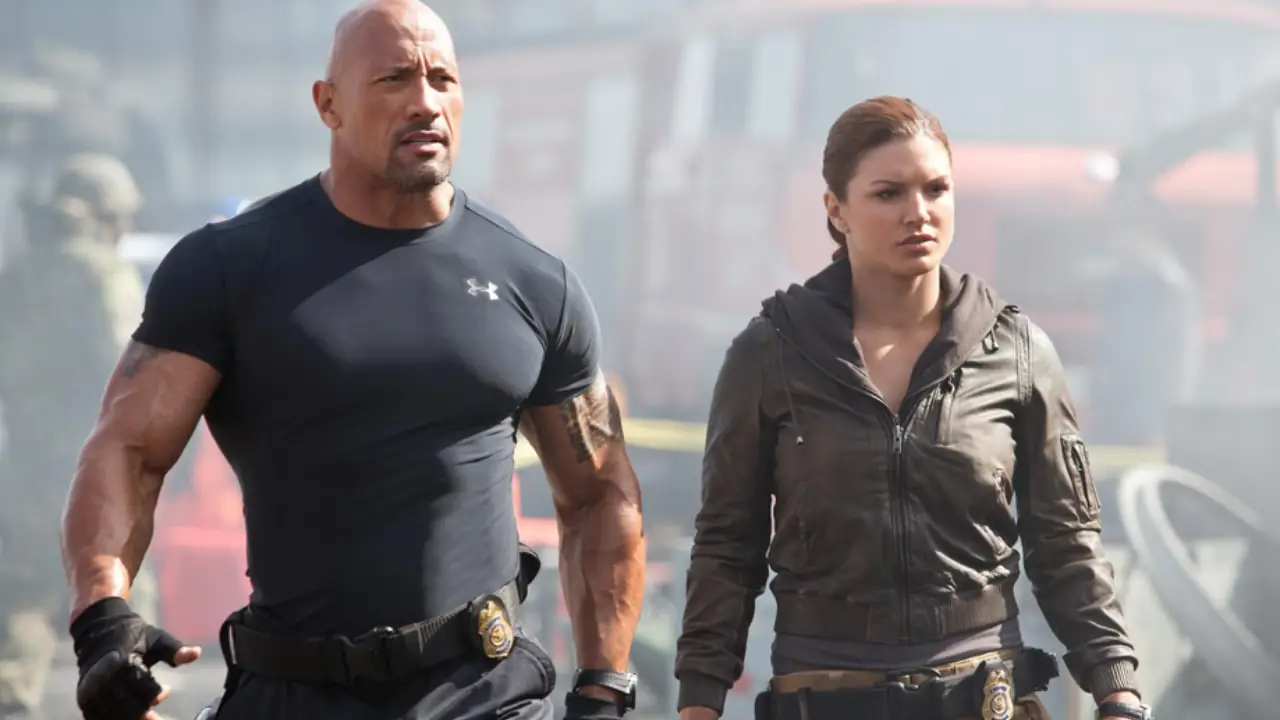
There are fights, and then there are moments.
What’s coming with Ronda Rousey vs Gina Carano isn’t just another bout stitched together for hype, pay-per-view numbers, or algorithm-chasing relevance.
This isn’t just about two names returning. It’s about two careers that exploded in different directions and are now being dragged back to the one place where numbers don’t lie and reputations don’t hide.
Because beyond the film credits, the interviews, and the mythology, there’s something brutally simple waiting underneath:
Records.
Finishes.
Truth.
The Numbers That Built the Myth
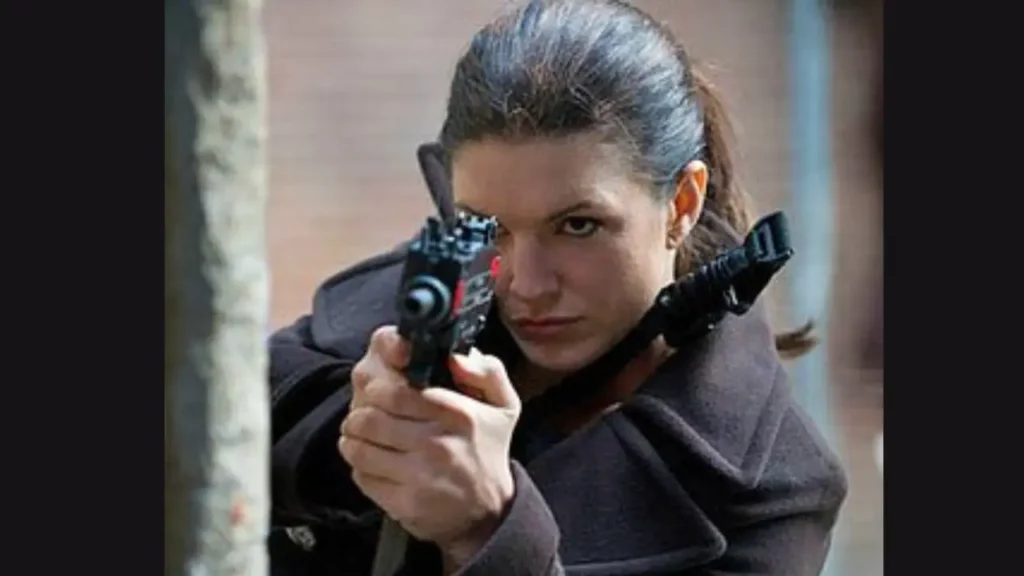
Ronda Rousey walked through women’s MMA like a force that didn’t believe in resistance.
- Professional Record: 12 wins, 2 losses
- Finishes: 12 wins, all by stoppage
- Signature Weapon: Armbar (9 wins)
- Average Fight Time: Under 3 minutes
Let that sink in.
Rousey didn’t just win — she ended fights before they began. Opponents weren’t beaten; they were dismantled. Six successful title defences in the UFC bantamweight division turned her into something larger than a champion — she became inevitability itself.
Until she didn’t.
Holly Holm exposed the first crack. Amanda Nunes shattered the illusion. And just like that, the aura that once felt indestructible vanished in under a minute.
The Numbers That Held the Line
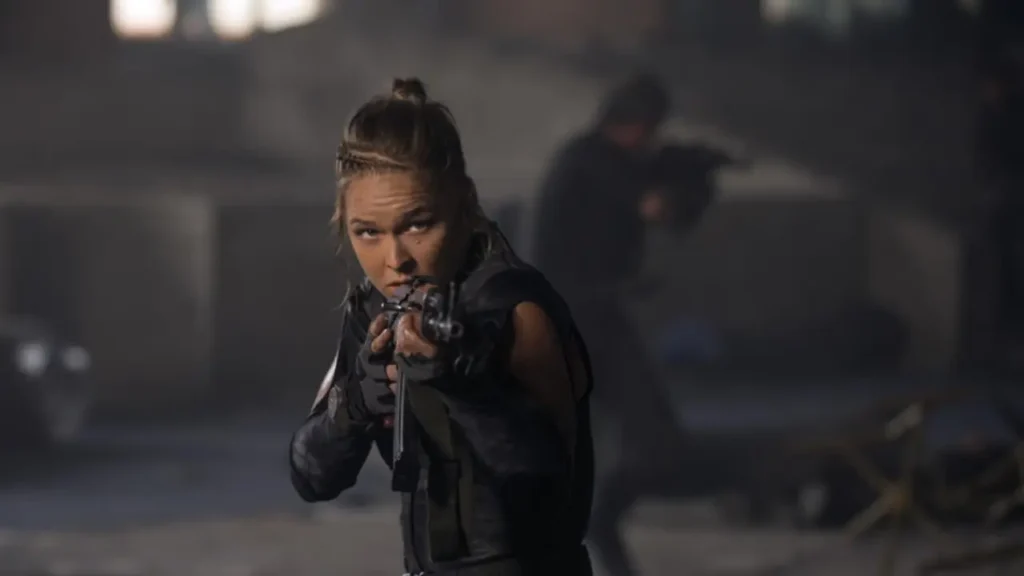
Gina Carano’s numbers tell a different story — quieter, but no less important.
- Professional Record: 7 wins, 1 loss
- Knockouts: 3
- Submissions: 1
- Decisions: 3
Carano didn’t dominate. She competed. She endured.
She fought in an era where women’s MMA wasn’t a global product but a curiosity trying to prove it deserved space. Her loss to Cris Cyborg in 2009 didn’t just end a fight — it paused a career.
While Rousey was rising to global superstardom, Carano stepped away and rewrote herself somewhere else.
The Prototype vs The Perfect Storm
Carano was the prototype — the first mainstream face of women’s MMA. She didn’t have the infrastructure, the promotion machine, or the cultural wave that Rousey would later ride. What she had was grit and visibility at a time when both were in short supply.
Rousey, by contrast, arrived when the stage was finally built — and she burned it down.
She wasn’t just better. She was faster, sharper, and ruthlessly efficient. Where Carano fought to win, Rousey fought to finish. And in doing so, she didn’t just elevate herself — she redefined expectations.
But here’s the twist:
Carano left before she could be broken.
Rousey stayed long enough to be.
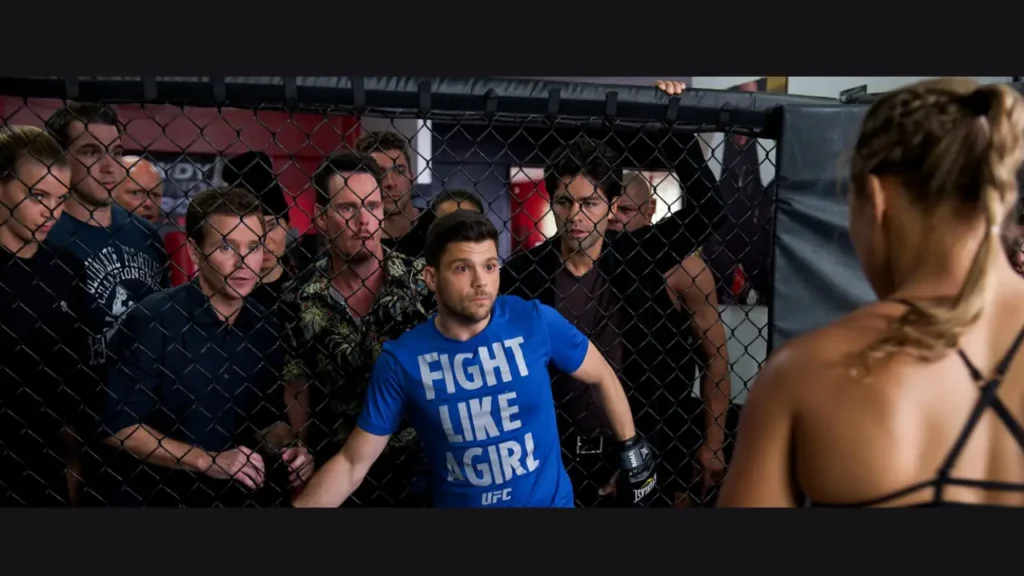
Hollywood: Reinvention vs Extension
Gina Carano was never supposed to just fight. She looked like cinema before cinema came calling.
When she stepped into films like Haywire, she didn’t play an action star — she was one. There was no performance to manufacture. The punches landed with intent because she knew what it meant to throw them.
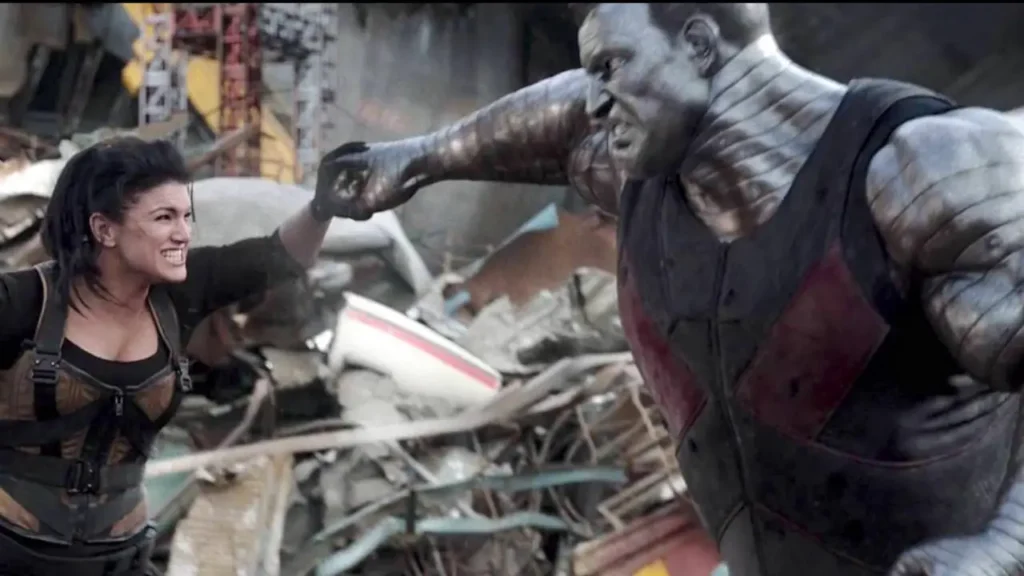
From Fast & Furious 6 to Deadpool, and eventually The Mandalorian, Carano carved out something rare — credibility. Not influencer credibility. Not celebrity cosplay. Real, earned, physical credibility.

She didn’t borrow the action genre. She reinforced it.
Ronda Rousey, on the other hand, arrived like a storm that burned too bright to ignore.
At her peak, she wasn’t just a champion — she was inevitable. The UFC didn’t just promote her, it revolved around her. Every walkout felt like an event, every finish like prophecy fulfilled.
Hollywood, predictably, came knocking.
But here’s the uncomfortable truth — Rousey in films was never about reinvention. It was about extension. Roles in The Expendables 3, Furious 7, and Mile 22 didn’t ask her to become something new. They asked her to show up as Rousey, throw a few punches, and leave.
And she did exactly that.
No more. No less.
The Difference Between Acting and Being
This is where the contrast becomes brutal.
Carano transitioned.
Rousey translated.
One adapted to the craft. The other carried her aura into it.
Carano’s Cara Dune wasn’t just a fighter in The Mandalorian. She was presence. Stillness. Threat. A character that could exist even without throwing a punch.
Rousey’s roles, by comparison, always felt like extensions of a persona we already knew. Enter. Strike. Exit.
Efficient. Marketable.
But never transformative.
Where the Illusion Ends
The irony is almost poetic.
Two women stepped out of the cage, flirted with a different kind of spotlight, and are now being dragged right back into the one place where truth is unavoidable.
And yet, here they are — back where everything actually counts.
Because Hollywood can amplify you.
It can market you.
It can mythologise you.
But it cannot validate you.
Only a fight can do that.
Records vs Reality
This is where things get uncomfortable.
On paper, Rousey should walk through Carano.
Better record.
Better finishing rate.
Higher peak.
But fights aren’t spreadsheets.
Carano returns with something Rousey cannot claim — distance from defeat. Her last loss was over a decade ago. Time has a way of softening scars.
Rousey, however, carries hers into the cage.
Two brutal losses. Two violent endings. And years away from the sport that once defined her.
When the Lights Go Out
When the Netflix stream goes live and the world tunes in, none of the film credits will matter.
Not Deadpool.
Not The Mandalorian.
Not Furious 7.
All of that disappears the moment the first strike lands.
What remains is instinct.
Timing.
Nerve.
Truth.
And that is why this fight feels different.
Because for all their journeys beyond the cage, for all the roles played and personas crafted, both Ronda Rousey and Gina Carano are about to confront the one thing neither Hollywood nor hype can protect them from:
Each other.
Leave a Reply