



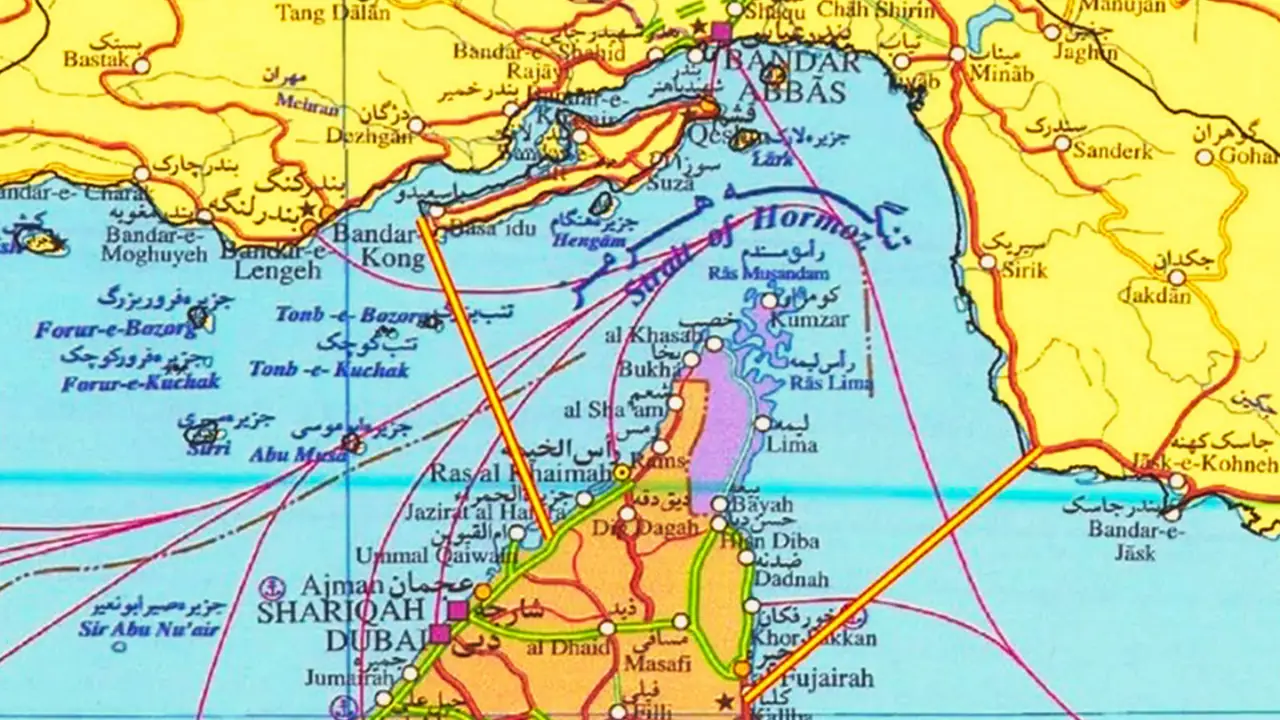
The Iran’s Islamic Revolutionary Guard Corps (IRGC) has announced the creation of a new maritime control zone in the Strait of Hormuz, signalling heightened strategic oversight in one of the world’s most critical shipping corridors.
According to Iranian state broadcaster reports, the newly defined “smart control” zone stretches between Mount Mobarak in Iran and areas south of Fujairah in the United Arab Emirates, while also covering the line between the end of Qeshm Island and Umm Al Quwain. The move effectively places tighter monitoring over key maritime routes that handle a significant portion of global oil transit.
The development comes even as diplomatic channels between Iran and the United States remain active, albeit strained.
Iran’s Foreign Ministry spokesperson Esmail Baghaei confirmed that Tehran is currently reviewing a counter-proposal from Washington aimed at halting the ongoing regional conflict. He stated, “the US message was received through Pakistan” but declined to disclose specifics, noting that the proposal remains under review.
Baghaei underscored the complexity of the negotiations, suggesting that the American approach includes “excessive and unreasonable demands” which make the proposal “not easy to review.”
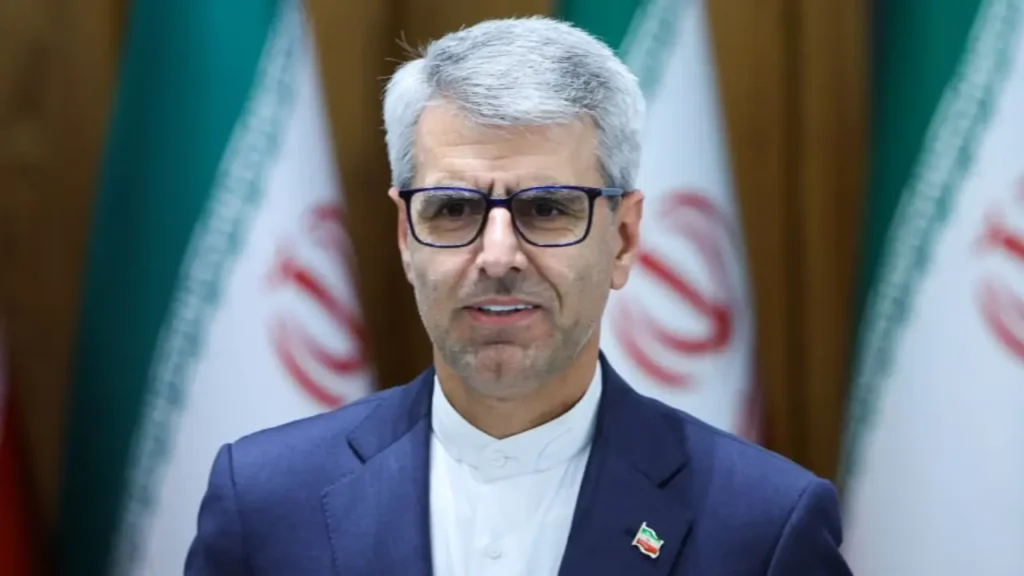
He also dismissed recent reports about Iran’s nuclear programme, calling them speculative. “The issues raised about enrichment or nuclear materials are purely speculative,” he said, adding, “at this stage, we are not talking about anything other than stopping the war completely.”


The spokesperson further indicated uncertainty about the future course of action, stating, “the direction we will take in the future will be determined in the future.”
Meanwhile, diplomatic engagement appears to be continuing from the US side. US President Donald Trump said his representatives were engaged in “very positive” discussions with Iran, suggesting that talks could lead to “something very positive for all.”
“I am fully aware that my representatives are having very positive discussions with the country of Iran, and that these discussions could lead to something very positive for all,” Trump said in a social media post.
US special envoy Steve Witkoff also confirmed ongoing contact, stating, “We’re in conversation,” referring to continued diplomatic outreach.
However, Trump’s tone has not been entirely consistent. A day earlier, he rejected Iran’s proposal, saying it was “not acceptable” and that Tehran had “not yet paid a big enough price for what they have done to humanity.”
He reiterated this position in subsequent remarks, stating, “It’s not acceptable to me. I’ve studied it, I’ve studied everything — it’s not acceptable,” while adding, “There are things I can’t agree to.”
Iran, for its part, has maintained that its “14-point proposal” is focused solely on ending the conflict and does not address nuclear issues. Baghaei also rejected claims that the proposal involved mine-clearing operations in the Strait of Hormuz, calling such reports “fabricated and concocted.”
Tehran has reiterated its stance against negotiations conducted under pressure, with Baghaei stating that Iran “rejects negotiations under ultimatum and deadline.”
The parallel developments — tighter maritime control in the Strait of Hormuz and ongoing but strained diplomatic exchanges — underscore a region on edge, with both sides signalling engagement while holding firm on key positions.
Leave a Reply