



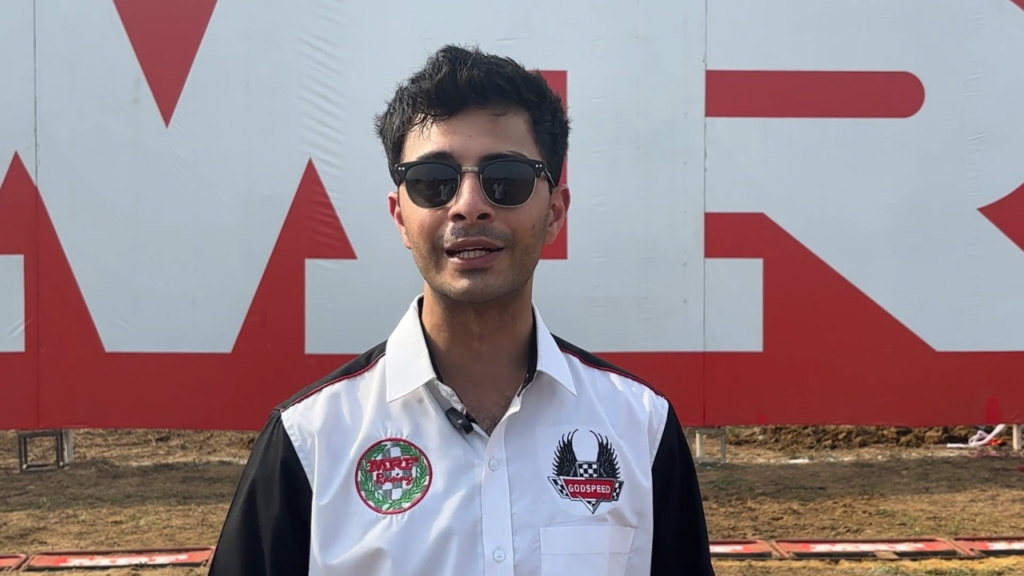
As the MRF Mogrip FMSCI National Supercross Championship returns to Goa for its penultimate round, Godspeed Racing CEO Amay Kothari speaks with HiveJaw about track conditions, the challenges of running a national motorsport calendar, and what it takes to keep a niche sport alive in India.
Q: Goa returns to the Supercross calendar after a long gap. What can riders expect here?
Amay: The standings are extremely tight—just a few points separate many of the classes. The track we’ve built is about 900 metres, two table-tops, a section of up-ti-dos, and very soft, loamy soil. It will change through the day, so the lines and the riders’ strategy will change with it. This is a round where you really cannot look away.
Q: Godspeed Racing has been associated with this championship for more than a decade. Where did it begin?
Amay: It began with my father, Shyam Kothari. He once held the National Rally, National Dirt Track and National Supercross titles in the same year. After retiring, he wanted to help organisers raise the standard of events and create structure for Indian motorsport. Godspeed came out of that intent around 2012, and we’ve been taking this championship across the country ever since.
Q: What are the toughest parts of managing a national championship across Indian cities?
Amay: Each city comes with its own complications—land availability, soil, water, permissions. Nothing is standard. We rely heavily on local support and organisers. Supercross is never a one-team execution; it only works when multiple groups pull together.
Q: Sponsorship is an ongoing struggle for sports outside cricket. How has that shaped your approach?
Amay: Earlier tracks were built only for high-end foreign bikes. We redesigned them so even stock Indian bikes—250cc and below—can ride them. This gives factory teams like TVS and Hero a place to showcase commercially available bikes. That hybrid track philosophy helped the sport stay relevant and more inclusive.

Q: You’ve seen the sport evolve over 15 years. What has changed the most?
Amay: Supercross used to be raw—less structure, more unpredictability. Now there’s more emphasis on safety and on nurturing young talent. The close-knit community feel remains, but the sport is far more organised.
Q: What does Godspeed do to support younger riders, especially since motorsport is expensive?
Amay: We run training programmes, bring in foreign experts, and help riders find sponsors. Kids need assurance that they can continue the sport despite the financial load—mechanics, spares, travel. We try to bridge those gaps wherever we can.
Q: How do you pick host cities each season?
Amay: We try to alternate between major metros and tier-2 cities. Some places already have motorsport culture; others are new markets. The idea is to balance a guaranteed audience with building a fresh one. Goa fits that mix this year.
Q: Safety is a concern riders often mention. What protocols are non-negotiable?
Amay: Before anyone practices, they undergo medical checks. Then FMSCI scrutineers inspect every rider’s gear and every bike—chains, loose parts, helmets, boots, everything. On race day, marshals are stationed across the track with authority to slow or halt the race. Two ambulances remain on standby. Clean racing matters more than risky racing.
Q: Social media has changed how niche sports reach audiences. Has it changed Supercross?
Amay: For sure. Supercross has existed for decades, but riders weren’t visible beyond the paddock. Now we’re trying to bring out the faces behind the helmets—their stories, backgrounds, struggles. That’s how audiences connect.
Q: As CEO, what is your long-term vision for Godspeed and for Indian Supercross?
Amay: I’d love to create something like Drive to Survive but for two-wheeler motorsport. Fans see only race day. The real drama is everything that leads to it. Telling that story is my personal dream.
As the sun settles over the Goa track and mechanics wipe the last bit of red dust off the bikes, the championship’s penultimate round feels less like a return and more like a reset. The soil here will shift all day—but so has the sport itself.
Leave a Reply