



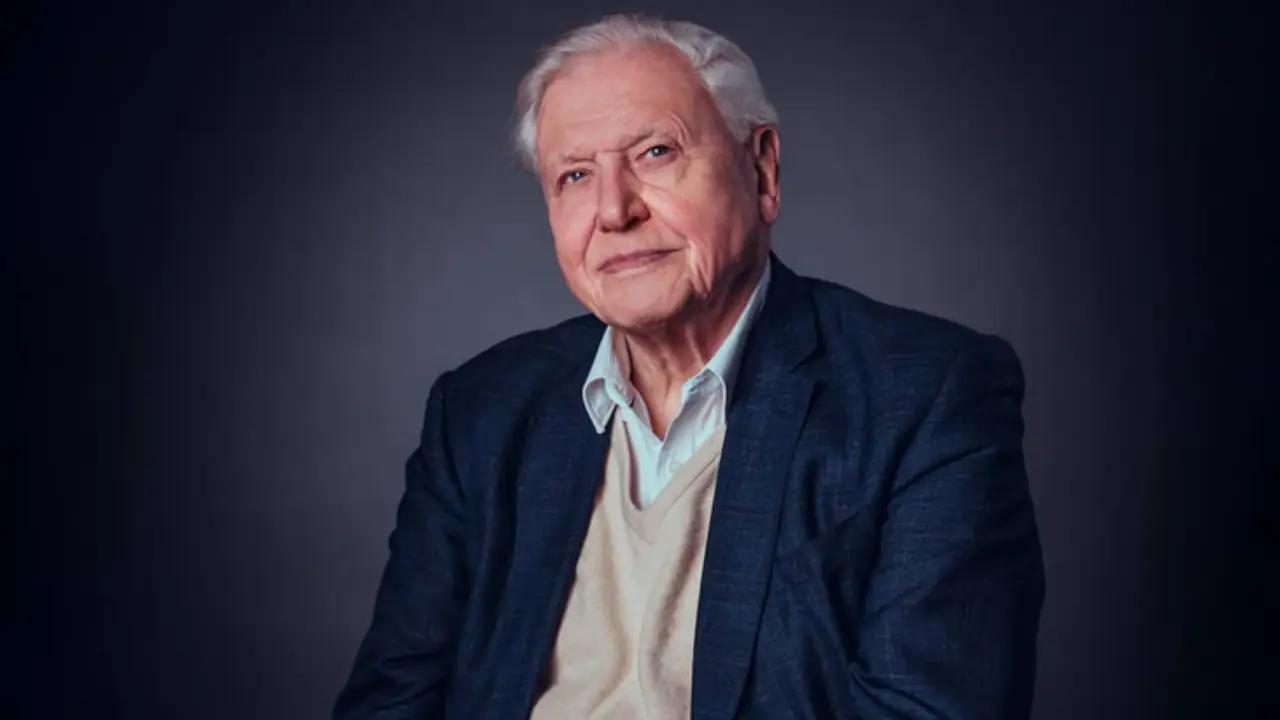
Celebrated natural historian and broadcaster David Attenborough turned 100 on Friday, drawing tributes from across the worlds of science, conservation, television and sport.
Attenborough, whose voice and storytelling have shaped generations of wildlife documentaries, remains one of the most recognisable figures in environmental broadcasting. Over the decades, he has fronted acclaimed documentary series including Planet Earth, Blue Planet, Frozen Planet, David Attenborough: A Life on Our Planet, Seven Worlds, One Planet and One Planet.
To mark the occasion, the Natural History Museum in London announced that a newly identified parasitic wasp species has been named after him.
The species, called Attenboroughnculus tau, was described by the museum as a 3.5 mm parasitic wasp discovered from specimens collected in Chile more than four decades ago.
In a statement shared on social media, the museum said, “Meet Attenboroughnculus tau -a 3.5 mm parasitic wasp. A recent study at the Museum revealed its unusual characteristics, over 40 years after being collected in Chile.”
The museum added, “This is both a new species and a new genus, meaning that it’s too different from its closest relatives to fit into an established genus. Its unique traits include a strongly curved abdominal segment and a unique wing and leg structure.”
Explaining the tribute, the museum said, “David shed light on these often-overlooked parasitoid wasps in his documentaries, showing the importance of insects for our planet. The name of this wasp celebrates how he has inspired generations of scientists, and encouraged more people to care about the natural world.”



Wildlife presenter Chris Packham also paid tribute to Attenborough, crediting him for inspiring generations to connect with and protect nature.
Packham said, “Happy birthday Sir David, I’m part of that generation that grew up watching life on earth as a small child with awe and wonder, and ever since I’ve been listening to your voice, listening to your enthusiasm, and it connects me to nature, inspires me to spend my time trying to protect it.”
He added, “My earliest memory of your work is Life on Earth, not the TV series, but the book that I devoured as a youngster, and it’s one of the reasons I wanted to get a job in nature conservation. So thank you and happy birthday.”
Former England football captain David Beckham also joined the celebrations, calling Attenborough a “National Treasure” in a birthday message shared online.
Alongside the tributes, renewed attention has also turned toward Attenborough’s most influential documentary work and its impact on environmental awareness.
One of his latest projects, Ocean with David Attenborough, revisits some of the marine ecosystems featured during his decades-long career. The programme examines coral reefs, seagrass habitats and marine biodiversity while exploring the growing environmental pressures on the world’s oceans.
The landmark Planet Earth franchise, first broadcast in 2006, remains one of the most watched wildlife documentary series globally. Follow-up instalments highlighted the accelerating impact of climate change and the increasingly difficult conditions faced by wildlife across the planet.
The more recent Planet Earth III documented wildlife across more than 40 countries, featuring species from deserts, grasslands and Arctic regions.
Similarly, Frozen Planet and its sequel focused on polar ecosystems and the survival struggles of species living in some of Earth’s harshest environments.
Attenborough’s 2020 documentary David Attenborough: A Life on Our Planet examined the long-term effects of climate change, deforestation, habitat destruction and biodiversity loss, while urging urgent environmental action.
His more recent series Asia explored the continent’s ecological diversity, from the Himalayas to the Mekong and Ganges river systems, documenting the challenges faced by wildlife amid environmental and human pressures.
For decades, Attenborough’s work has combined scientific storytelling with conservation advocacy, helping bring environmental issues into mainstream global conversation.
Leave a Reply