



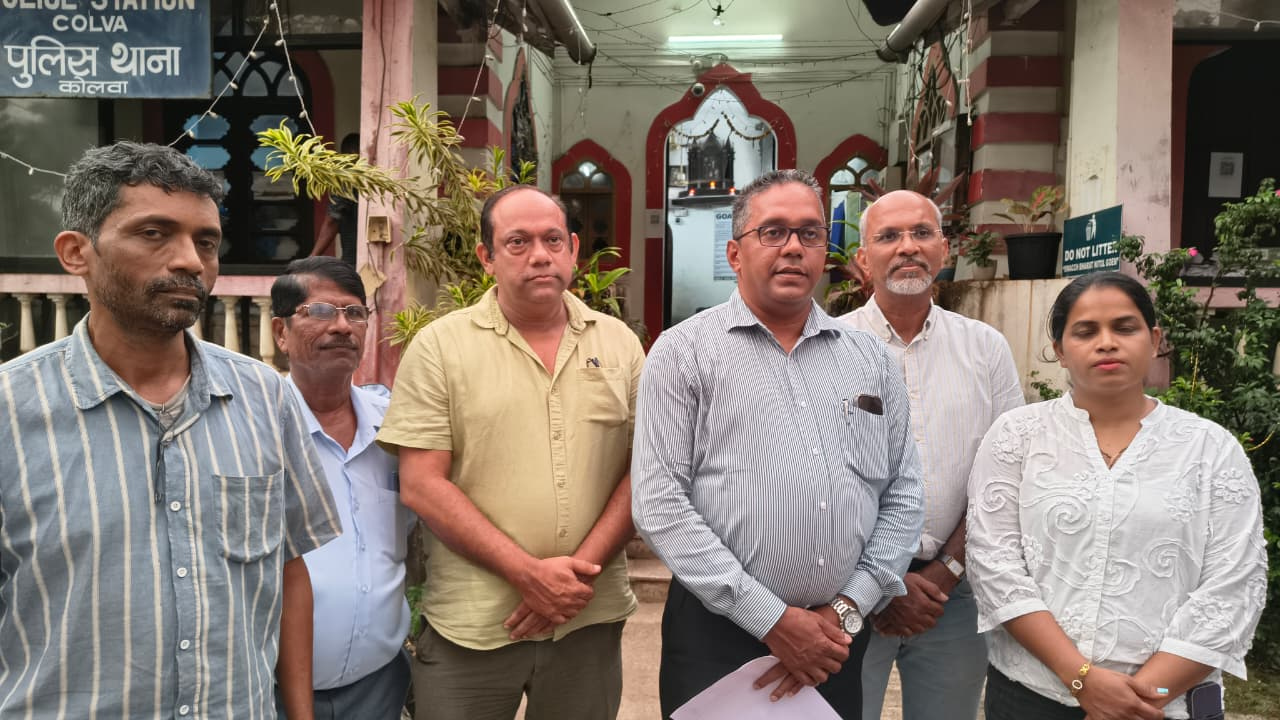
The Benaulim Block of the Indian National Congress on Monday submitted a memorandum to the Goa State Pollution Control Board in Saligao, calling for urgent intervention to address pollution in the River Sal.
The submission follows a press conference held on March 19, 2026, where concerns over the deteriorating condition of the river were first raised.
In the memorandum, the Congress stated that the River Sal, which flows through Benaulim and surrounding areas, is facing severe contamination due to untreated sewage, domestic waste, hotel effluents, and industrial discharge. Multiple discharge points along the river have been identified as major contributors to declining water quality.
The party highlighted findings indicating elevated Total Dissolved Solids (TDS) and disturbed pH levels in the river, pointing to the presence of harmful pollutants. It noted that the situation has led to a decline in fish and crustacean populations, adversely affecting local fishermen, while also damaging traditional khazan lands and increasing the spread of water hyacinth.


Concerns were also raised over public health risks, particularly following data from the National Water Monitoring Programme that indicated unsafe levels of fecal coliform in the river. The memorandum warned that such contamination poses a risk to communities, especially those dependent on river resources for food.
The Congress attributed the continued degradation of the river to inadequate implementation of pollution control measures and called for immediate corrective action.
Among the key demands were comprehensive inspection of discharge points, ensuring proper functioning of sewage treatment plants, strict enforcement against violators, regular water quality monitoring, and restoration efforts including removal of pollutants and invasive vegetation.
The memorandum also called for greater engagement with local bodies and communities to promote sustainable river management.
Describing the River Sal as a lifeline for several villages, the Congress said urgent steps are needed to protect livelihoods, agriculture, and biodiversity dependent on the river.
Leave a Reply