



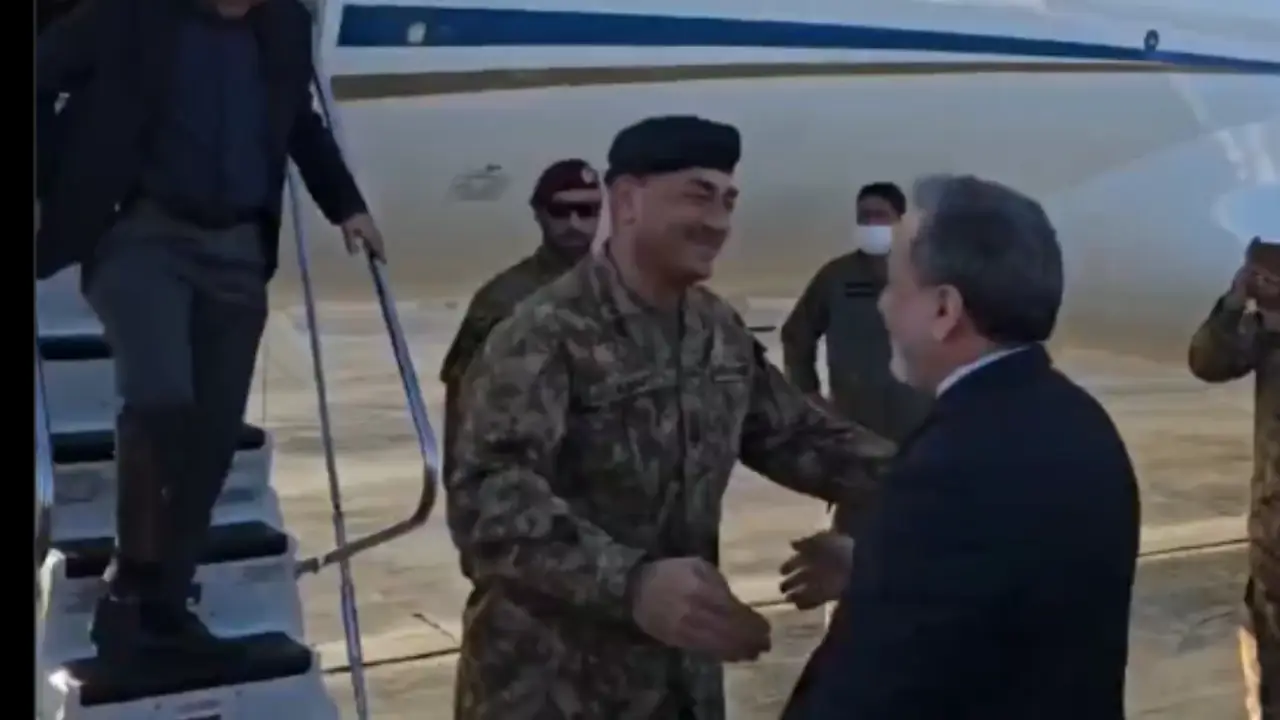
Amid a fragile two-week ceasefire and rising tensions marked by a looming naval blockade, Pakistan’s Chief of Army Staff, General Asim Munir, arrived in Tehran on Wednesday in what is being viewed as a last-ditch diplomatic effort to revive stalled negotiations between the United States and Iran.
General Munir, accompanied by Pakistan’s Interior Minister Mohsin Naqvi, was received by Iranian Foreign Minister Abbas Araghchi. According to Iranian state media and diplomatic sources, the Pakistani delegation is carrying a fresh message from Washington outlining a possible framework for a second round of high-level negotiations.
The visit follows the collapse of the earlier “Islamabad Talks,” which failed to produce a breakthrough, particularly over contentious issues related to Iran’s nuclear programme.
The renewed diplomatic push comes even as US President Donald Trump signalled that he is not inclined to extend the current ceasefire. However, he indicated that a negotiated settlement remains the preferred outcome.
Speaking to ABC News Chief Washington Correspondent Jonathan Karl, Trump said, “I think you’re going to be watching an amazing two days ahead. I really do.”
When asked whether the conflict would end through a deal or through the neutralisation of Iranian capabilities, Trump stated, “It could end either way, but I think a deal is preferable because then they can rebuild,” adding that “no matter what, we took out the radicals.”
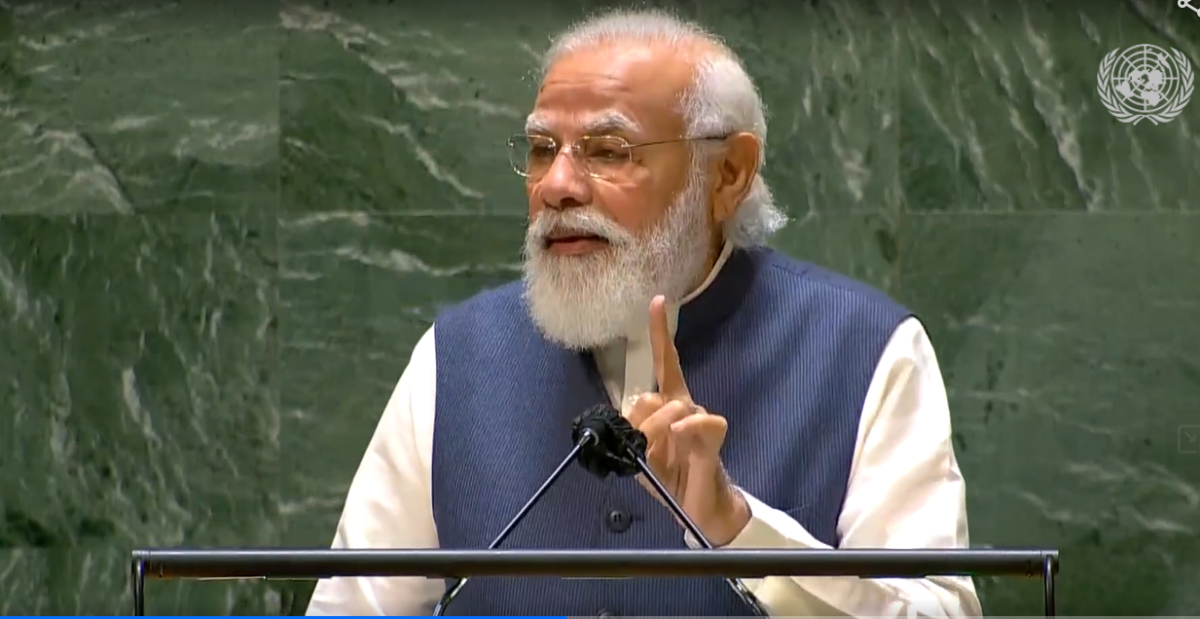
Trump also suggested that further talks could take place within the next 48 hours. While earlier discussions pointed to a European venue, he later indicated that Islamabad may now be the preferred location for the next round of negotiations aimed at ending the seven-week conflict.
Reports citing sources familiar with the matter indicate that Washington is actively considering this second round of talks, with US Vice President JD Vance expected to once again lead the American delegation.
The proposed meeting is also expected to include Trump’s special envoy Steve Witkoff and adviser Jared Kushner, both of whom have been closely involved in efforts to chart a diplomatic path forward.
Despite ongoing communication between US and Iranian officials following a previous 21-hour round of direct talks on April 11 and 12, no formal schedule has been finalised. “Future talks are under discussion, but nothing has been scheduled at this time,” a US official said.
The earlier negotiations failed primarily over “red line” issues, particularly Iran’s nuclear programme. Following those talks, Vice President Vance described the US position as its “final and best offer.”
Shortly thereafter, President Trump announced a naval blockade of the Strait of Hormuz, describing it as a measure to counter Iranian “extortion,” further escalating tensions in the region.
With diplomatic channels still open but timelines tightening, the coming days are expected to be critical in determining whether the situation moves toward de-escalation or further confrontation.
Leave a Reply